 New Medications
Zepbound Vial: Eli Lilly's Single-Dose Tirzepatide Option Explained
March 15, 2026 · 7 min read · GLP-1 Price Watch Editorial Team
Eli Lilly has introduced a single-dose vial formulation of Zepbound (tirzepatide), offering patients a new way to access one of the most effective weight loss medications available. The vial format comes at a lower price point than the auto-injector pen, potentially making this powerful dual-agonist medication more accessible to patients paying out of pocket.
What Is the Zepbound Vial?
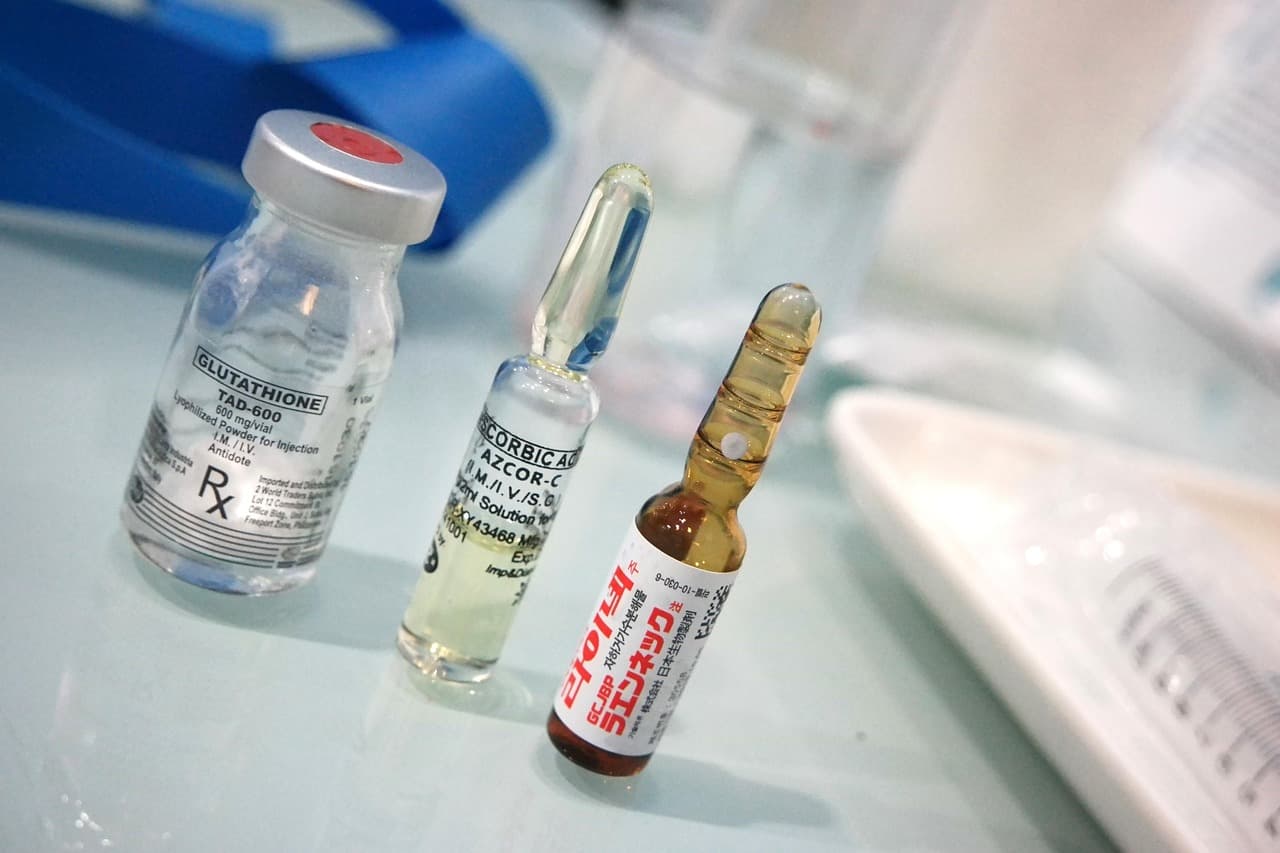
The Zepbound vial contains the same tirzepatide molecule as the Zepbound auto-injector pen — a dual GLP-1 and GIP (glucose-dependent insulinotropic polypeptide) receptor agonist. The difference is purely in the delivery format: instead of a pre-filled pen with an integrated needle, the vial contains a single dose of liquid tirzepatide that the patient draws up using a separate syringe.
Eli Lilly launched the vial format specifically to address affordability concerns and to compete with the growing market for compounded tirzepatide. The vials are available in the same dose strengths as the pens: 2.5mg, 5mg, 7.5mg, 10mg, 12.5mg, and 15mg.
How It Differs from the Pen
The primary differences between the vial and pen are convenience and cost:
- Convenience: The pen is a pre-filled auto-injector — attach the needle, dial the dose, and inject. The vial requires drawing up the dose with a separate syringe, which adds a few steps but is straightforward once learned.
- Cost: The vial format is priced significantly lower than the pen, making it a more accessible branded option.
- Storage: Both require refrigeration before first use. The vial may have slightly different storage requirements after first puncture.
- Waste: Each vial is single-use, eliminating concerns about multi-dose contamination.
Pricing Advantage
Eli Lilly priced the Zepbound vial at approximately $399/month for the lowest dose — roughly half the list price of the pen format. This pricing strategy was designed to compete directly with compounded tirzepatide products, which have gained significant market share due to their lower cost.
For patients who want FDA-approved, branded tirzepatide but cannot afford the pen's list price and do not have insurance coverage, the vial offers a middle ground between full-price branded medication and compounded alternatives.
How to Use It
Using the Zepbound vial requires basic injection preparation skills:
- Clean the vial top with an alcohol swab
- Draw the prescribed dose into a syringe
- Inject subcutaneously into the abdomen, thigh, or upper arm
- Rotate injection sites weekly
Most telehealth providers that prescribe Zepbound vials provide instructional materials and videos. The process takes about 2-3 minutes and becomes routine quickly. Healthcare providers can also demonstrate proper technique during your consultation.
Efficacy
The efficacy is identical to the Zepbound pen — because the medication is exactly the same. In the SURMOUNT clinical trials, tirzepatide at the highest dose (15mg) produced average body weight loss of 22.5% over 72 weeks. Even at the lowest maintenance dose (5mg), patients achieved approximately 15% weight loss.
Tirzepatide's dual-agonist mechanism (targeting both GLP-1 and GIP receptors) is believed to contribute to its superior efficacy compared to semaglutide-based medications, which target only GLP-1 receptors.
Where to Get It
The Zepbound vial is available through traditional pharmacies with a prescription and through select telehealth providers. As an FDA-approved branded product, it may be covered by some insurance plans, though coverage for weight management indications varies.
For patients exploring telehealth options, providers like Measured offer tirzepatide (including both compounded and branded options) as part of their GLP-1 programs starting at $99-$199/month.
Our top pick
Measured — from $119/mo
Async physician review, same-day prescription, free quiz. No insurance required.
Start free quiz